Define the product
Start with who it serves, what they need to do and why this product should exist. Make the assumptions explicit and agree on the questions to resolve before committing to the build.
Product direction
Turn an idea or a growing feature list into a product with a clear purpose, scope and first release.
Work directly with Josh to connect the people using the product, the business behind it and the practical decisions that shape the build.
Discuss your productStart with who it serves, what they need to do and why this product should exist. Make the assumptions explicit and agree on the questions to resolve before committing to the build.
Separate the essential journey from the features that can wait. Set priorities against time, technical constraints and the work needed to run the product after launch.
Map how people move from discovery to everyday use, including the work behind the interface. Roles, handoffs and exceptions belong in the scope from the start.
In practice
Two products where the scope connects the public experience with the people and tools behind it.
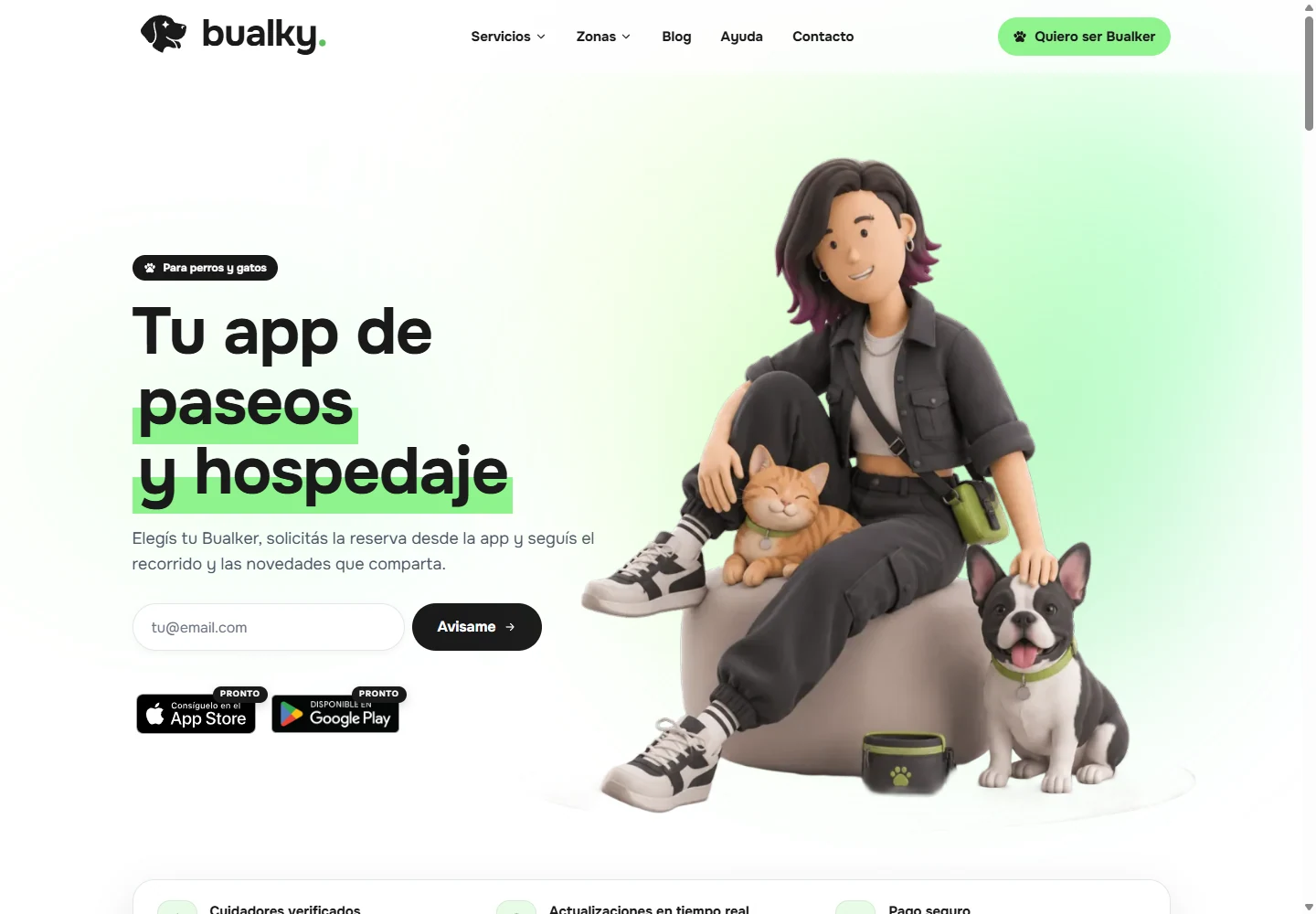
One pet-care marketplace, with distinct journeys for Owners and Bualkers. The scope connects the public website, caregiver discovery, booking and service updates.
Website live / App pre-launch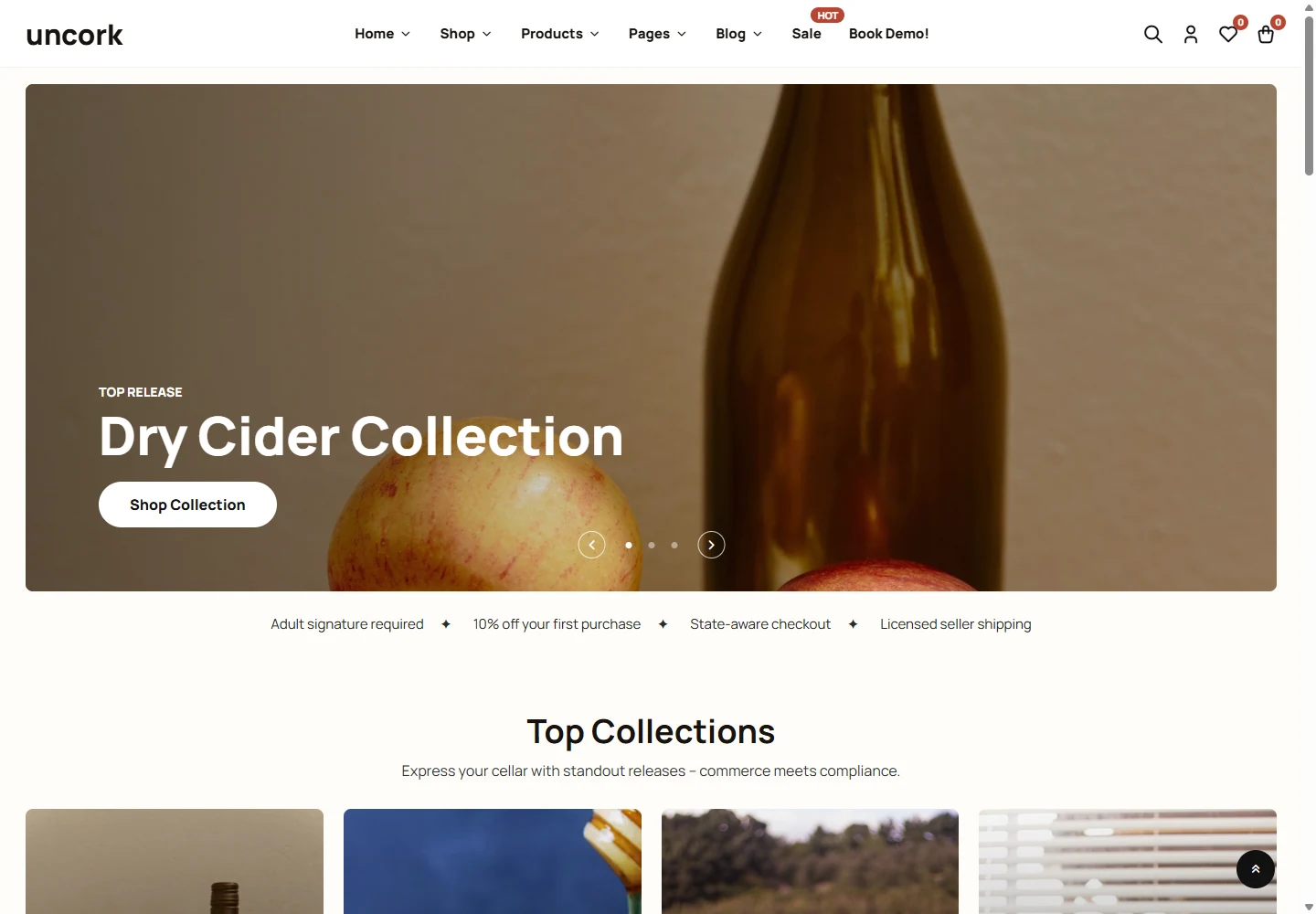
A storefront and a workspace for independent drinks brands. The prototype brings product discovery, catalog editing and media management into the same product scope.
Working prototypeThe work takes shape as a product brief, a prioritized scope and the main user journeys. Open questions stay visible, with a clear next step for each.
Bring an early idea, a working product or a backlog that has become difficult to prioritize. The starting point determines how much discovery is useful.